
PROJECTS

Real questions.
Visible learning.

See how a real problem becomes a learning journey: students build knowledge, investigate, analyse evidence, justify a response, improve it through feedback and present it to an audience. Explore the three Grade 6 projects, three Grade 8 projects and the Grade 7 Emergency Safety Audit.

Students examining an advertisement in Behind the Message
Behind the Message · illustration from the Grade 8 book.

GRADE 6 · THREE PROJECTS

GRADE 6 · 24–28 INSTRUCTIONAL HOURS

Voices of Wisdom

Preserving Elders’ Stories and Rebuilding Generational Connection
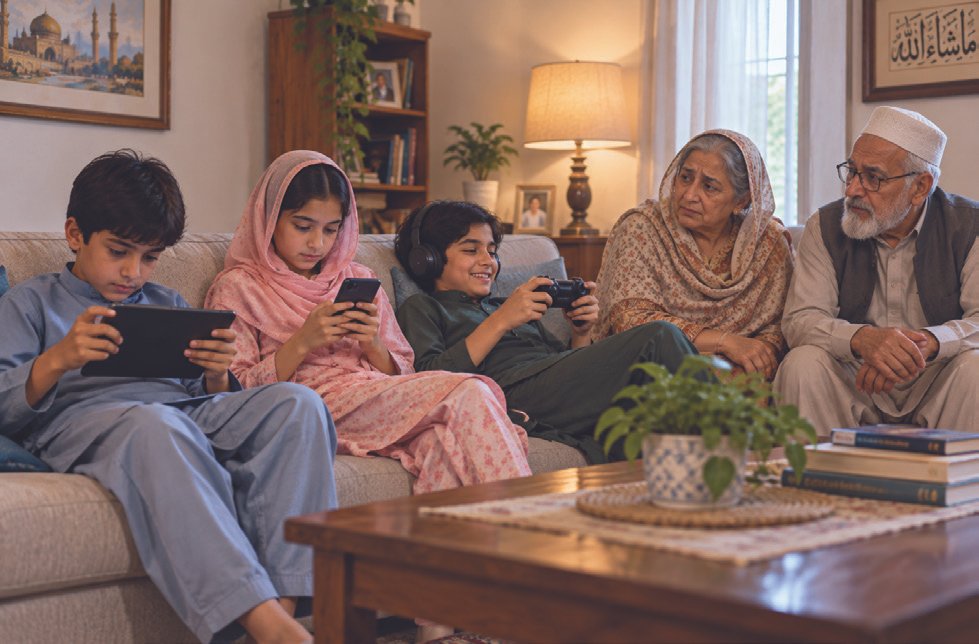
Voices of Wisdom project illustration
Illustration from the EdVantage project resource.

Students investigate why generations can become disconnected and listen carefully to elders’ experiences. They gather stories through respectful inquiry, identify recurring themes and values, and turn selected evidence into a meaningful recorded podcast.

How can we preserve our elders’ untold stories and rebuild real connection in today’s world?

Planned student output

A recorded podcast with a supporting script, followed by a Voices of Wisdom Showcase.

Subjects working together

History: oral accounts, continuity and change. Geography: community life and changing social relationships. Languages: listening, interviewing and narrative writing. ICT: recording and editing a podcast.

Evidence and responsibility

Students keep interview records, identify themes and develop a script grounded in elders’ accounts. Respect, consent and truthful representation matter when selecting and sharing someone else’s story.

Learning in practice

Interviewing, attentive listening, thematic analysis, script writing, speaking and reflection.

Sustainability and citizenship connections ↗

Explore the Grade 6 book ↗
GRADE 6 · 22–25 INSTRUCTIONAL HOURS

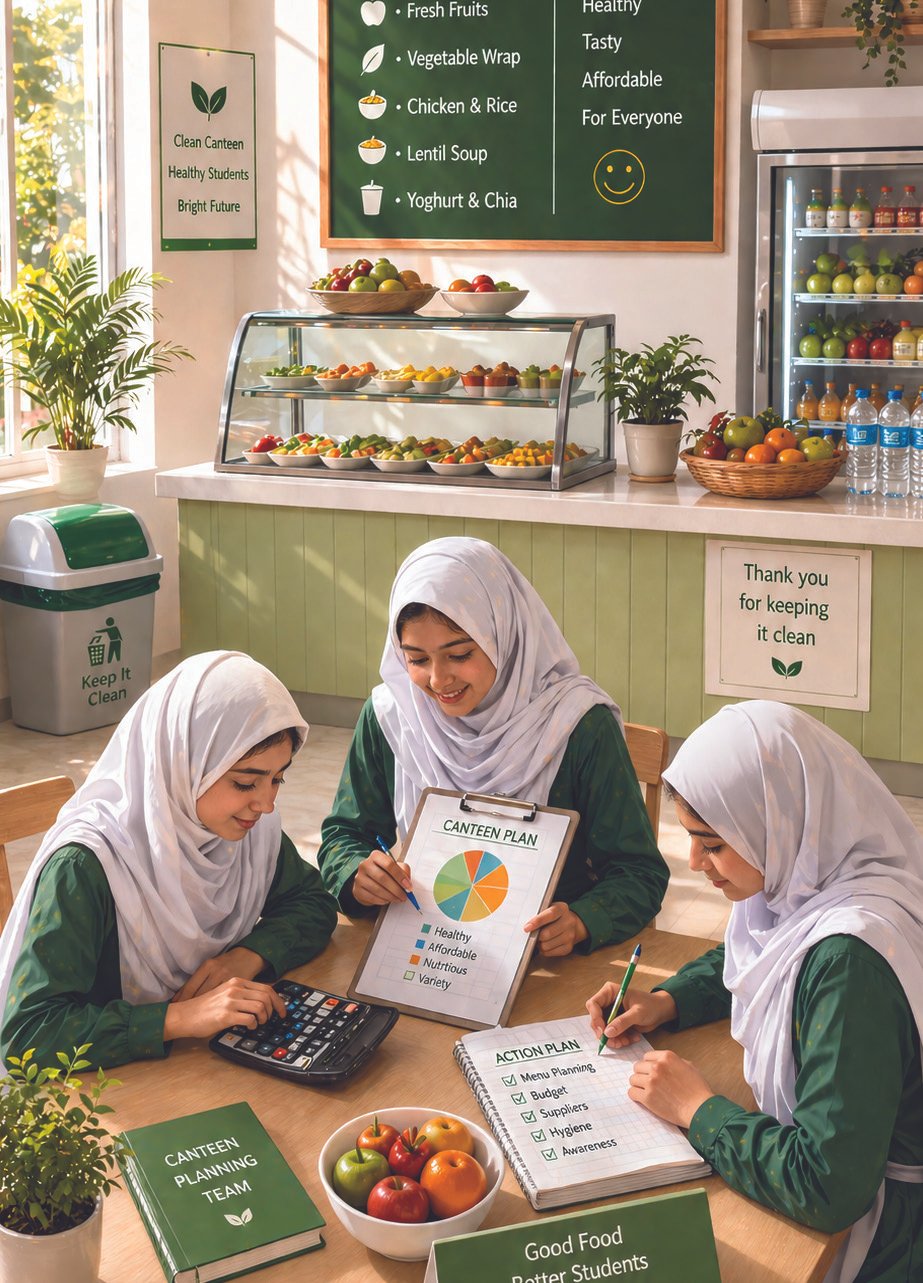
Smart School Canteen Startup

Healthy, Eco-Friendly, Cost-Effective Solutions

Smart School Canteen Startup project illustration
Illustration from the EdVantage project resource.

Students examine the health, hygiene, affordability, and waste issues of a school canteen. Surveys, observations, interviews, and price checks inform a practical startup proposal covering the menu, pricing, cleanliness, and waste reduction.

How can we set up a smart school canteen startup that is healthy, eco-friendly, and cost-effective?

Planned student output

A Smart School Canteen Startup Plan with supporting visuals and an evidence-based team presentation.

Subjects working together

Mathematics: surveys, averages, pricing, profit percentages and budgets. Science: nutrition and hygiene. Geography: consumption and waste. Languages: a persuasive proposal and audience questions.

Evidence and responsibility

Survey responses, observations and price comparisons support the menu and startup plan. Learners explain trade-offs between health, affordability and waste, then revise the proposal using feedback.

Learning in practice

Data collection, price comparison, nutrition choices, planning and evidence-based decision-making.

Sustainability and citizenship connections ↗

Explore the Grade 6 book ↗
GRADE 6 · 22–25 INSTRUCTIONAL HOURS

Water Safety Task Force

Clean, Safe, and Smart Solutions for Our Community

Water Safety Task Force project illustration
Illustration from the EdVantage project resource.

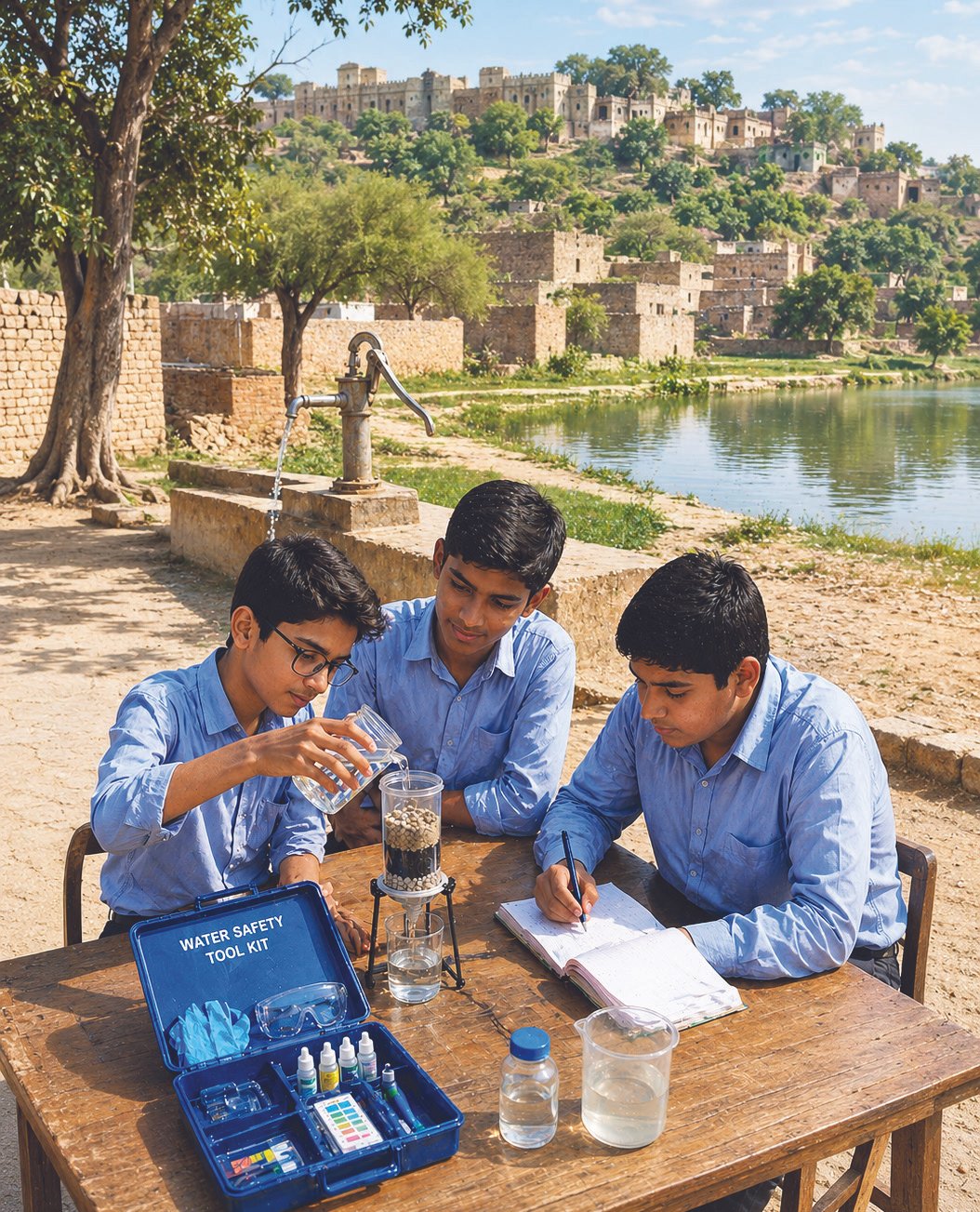
Students investigate local water sources and how water safety affects everyday life. They gather and interpret observations, survey responses, and interviews, then propose a practical awareness campaign or simple filter prototype under teacher guidance.

How can we investigate water safety and design low-cost solutions that protect community health?

Planned student output

A water safety awareness campaign or demonstration prototype, shared at a Community Water Safety Awareness Day.

Subjects working together

Science: contamination, water safety and purification concepts. Mathematics: tables, charts, ratios and percentages. Geography: local water sources and resource management. Languages: evidence-based public communication.

Evidence and responsibility

Investigation logs distinguish observations from assumptions. Learners use findings to justify an awareness response or demonstration prototype. A classroom filter model demonstrates a concept; it does not certify drinking-water safety.

Learning in practice

Observation, scientific inquiry, charts, percentages, cause–effect reasoning and public communication.

Sustainability and citizenship connections ↗

Explore the Grade 6 book ↗
GRADE 7 · FEATURED EXAMPLE

GRADE 7 · 28–32 INSTRUCTIONAL HOURS

Emergency Safety Audit

Making Our School Safer

Emergency Safety Audit project illustration
Illustration from the EdVantage project resource.

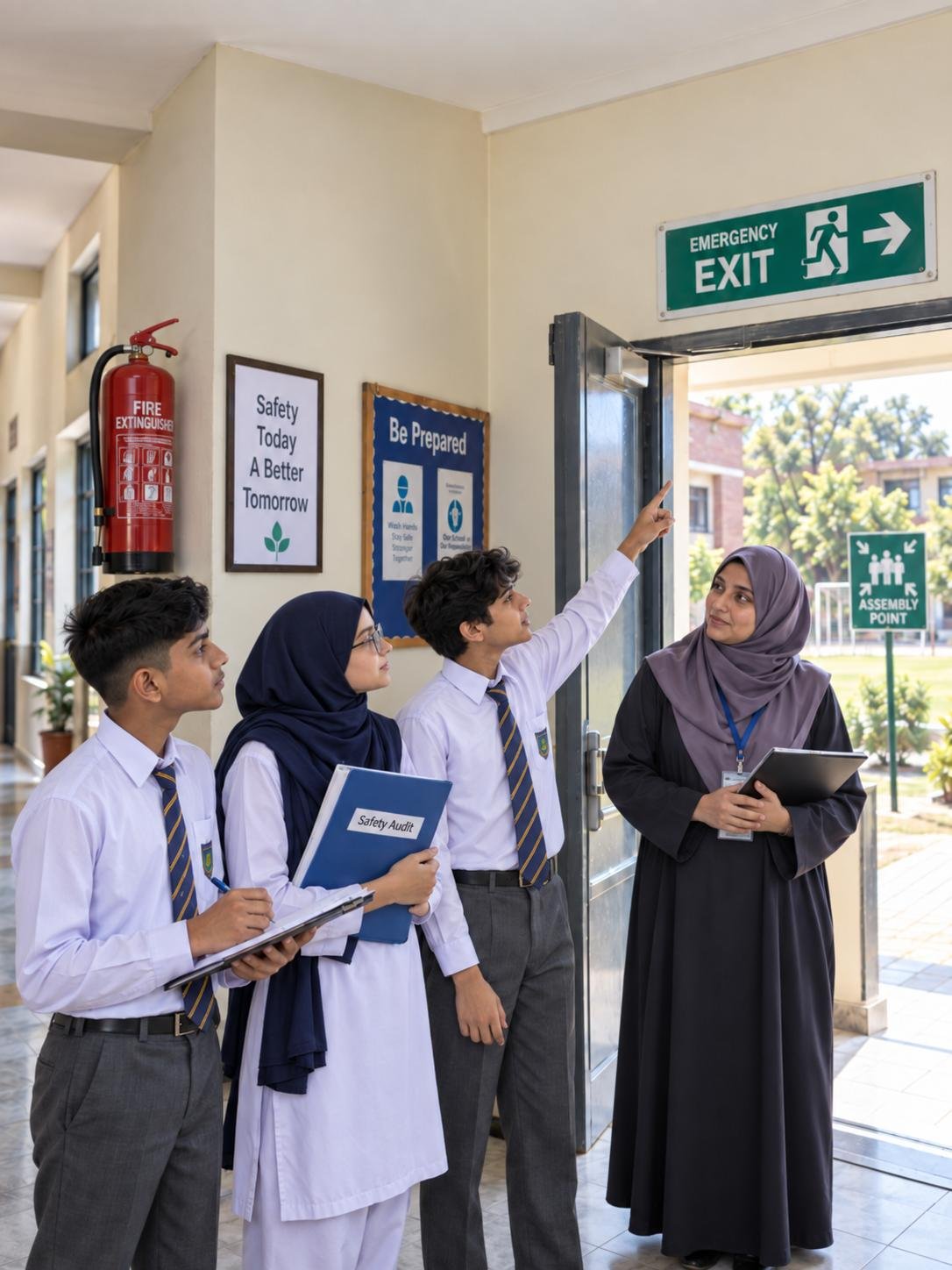
Students act as a School Safety Audit Team. With teacher guidance, they investigate risks through observations, interviews, and surveys, analyse the evidence, and prioritise practical improvements for their school.

How can we investigate emergency risks in our school and design practical actions to make it safer for everyone?

Planned student output

A School Safety Action Plan and a School Safety Showcase explaining the evidence and recommendations.

Subjects working together

Mathematics: survey findings, graphs and percentages. Science and geography: risks in the school environment. Languages: interviews, recommendations and presentation.

Evidence and responsibility

Observation notes, interviews and surveys inform a prioritised action plan. Students investigate under teacher supervision and explain which recommendations are feasible; school leaders remain responsible for actual safety decisions.

Learning in practice

Risk awareness, ethical investigation, graphs, percentages, prioritisation and responsible communication.

Sustainability and citizenship connections ↗

Explore the Grade 7 book ↗

GRADE 8 · THREE PROJECTS

GRADE 8 · 24–28 INSTRUCTIONAL HOURS

Behind the Message

How Campaigns Shape Thinking

Behind the Message project illustration
Illustration from the EdVantage project resource.

Students examine how advertisements, awareness messages, and social media campaigns influence people. They investigate persuasion, repetition, emotional appeal, and audience targeting before designing a responsible campaign that avoids manipulation.

How do media campaigns shape our thinking and behavior — and how can we design a responsible campaign that influences people without manipulation?

Planned student output

A Responsible Media Campaign Design with a message, slogan, visuals, audience focus, and a Campaign Design Presentation.

Subjects working together

Languages: audience, purpose, tone, bias and persuasion. Mathematics: survey data, percentages and comparisons. Geography: information and social choices. ICT: media evaluation and responsible digital communication.

Evidence and responsibility

Students examine existing messages and audience responses, then document why their campaign is accurate, fair and appropriate. Drafts and feedback show how they improve persuasion without manipulating the audience.

Learning in practice

Media literacy, audience research, evidence analysis, ethical persuasion and visual communication.

Sustainability and citizenship connections ↗

Explore the Grade 8 book ↗

GRADE 8 · 26–30 INSTRUCTIONAL HOURS

Homes of Tomorrow

Smart, Sustainable and Climate-Responsive Living Spaces

Homes of Tomorrow project illustration
Illustration from the EdVantage project resource.

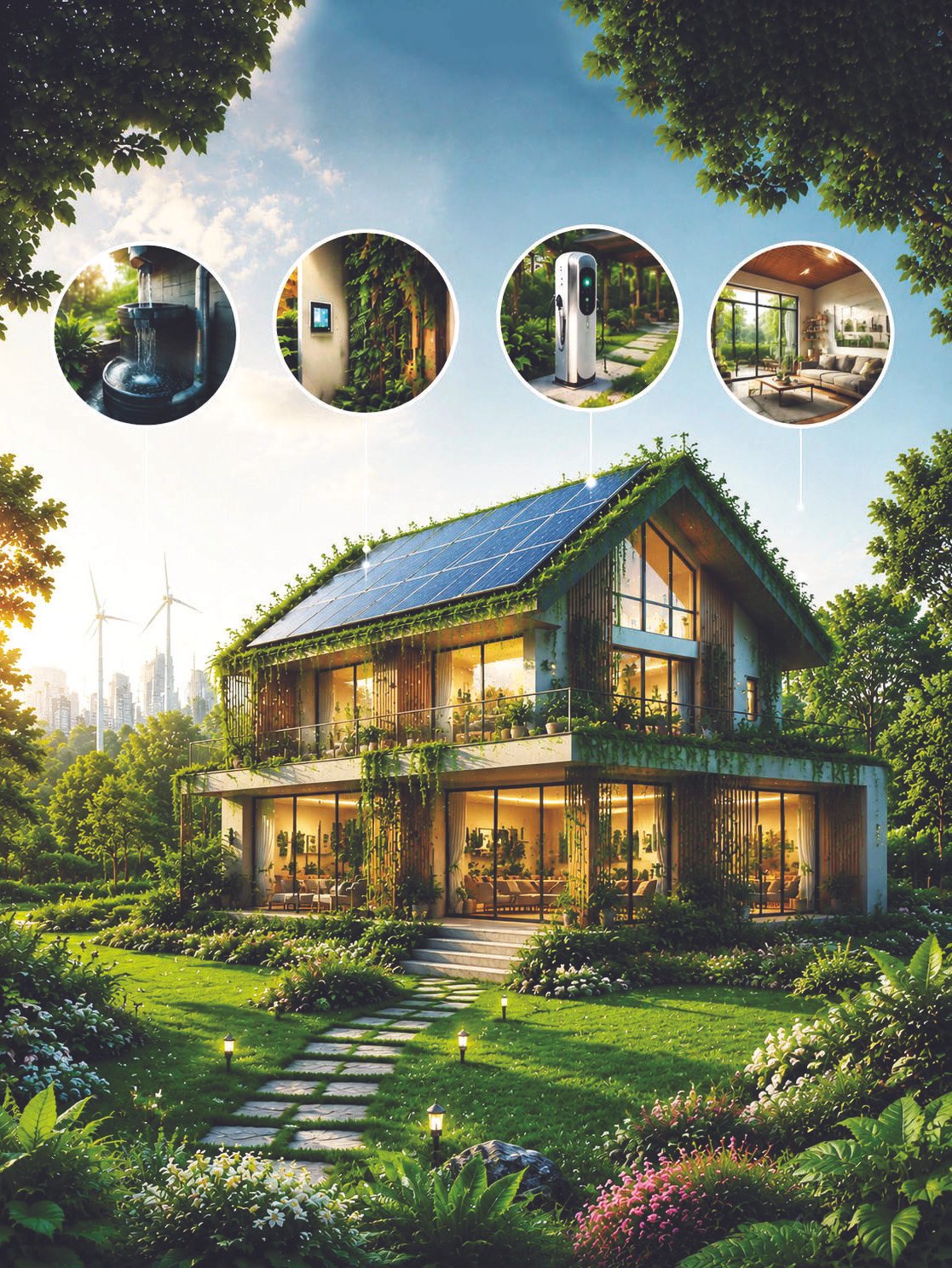
Students investigate how layout, airflow, light, water, and materials influence comfort and resource use. They use observations, measurements, and research to create and refine a realistic house layout or model with clear design justifications.

How can we design a smart, sustainable, and climate-responsive home that improves comfort, safety, and responsible use of resources?

Planned student output

A labelled 2D, digital, or 3D sustainable house design, with calculations and an evidence-based showcase.

Subjects working together

Mathematics: area, volume, ratios and proportion. Science: light, heat, ventilation and materials. Geography: climate, resources and living environments. Languages: evidence-based design explanations.

Evidence and responsibility

Measurements, observations and research support design choices. Learners weigh comfort, cost, safety and resource use, then refine a labelled design. It is an educational design proposal, with benefits to be tested before claims of actual savings.

Learning in practice

Area and volume, ratios, scientific reasoning, spatial planning and sustainable design.

Sustainability and citizenship connections ↗

Explore the Grade 8 book ↗

GRADE 8 · 28–32 INSTRUCTIONAL HOURS

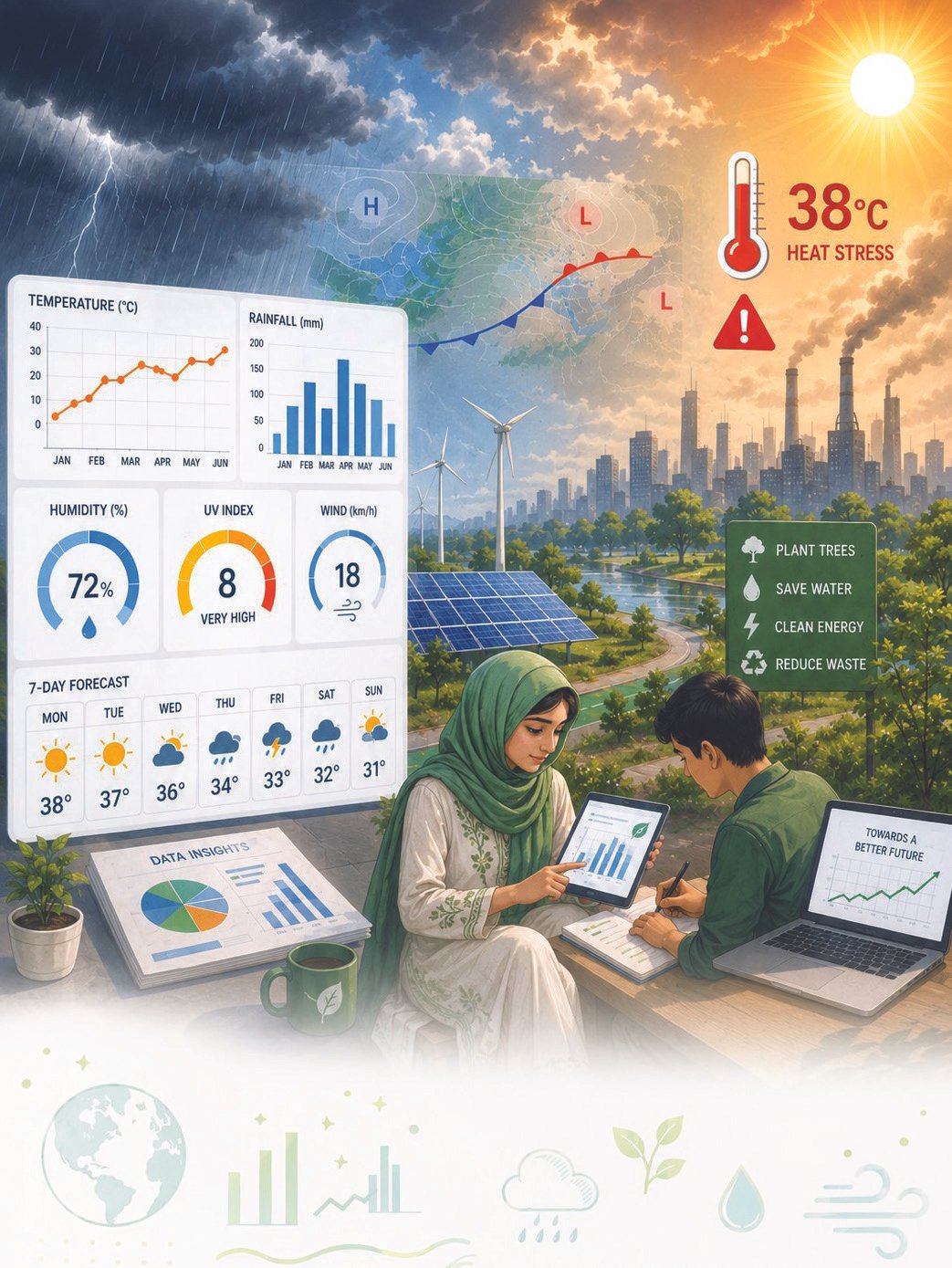
Climate Data Lab

Predicting Change, Designing Sustainable Impact

Climate Data Lab project illustration
Illustration from the EdVantage project resource.

Students investigate environmental change using data on temperature, rainfall, pollution, or resource use. They organise datasets, study patterns, build simple mathematical models, and consider the limits of predictions before recommending practical action.

How can we use climate data to understand environmental change and make informed decisions for sustainable impact?

Planned student output

A Climate Data Analysis Report, Prediction Model, and Sustainable Action Plan presented at a Climate Impact Showcase.

Subjects working together

Mathematics: data organisation, graphs, trends and simple prediction models. Science and geography: environmental change and climate. Languages and digital tools: reporting evidence and explaining a proposed response.

Evidence and responsibility

Learners record data sources, distinguish patterns from conclusions and explain model limitations. Their report links analysis to a sustainable action plan; the quality of a prediction depends on the data and assumptions used.

Learning in practice

Data handling, graphs, mathematical modelling, evaluating uncertainty and sustainability planning.

Sustainability and citizenship connections ↗

Explore the Grade 8 book ↗

Choose the right book for your learners.

Explore the Products page for all six grade-level books, each priced at PKR 2,850.

Start a conversation ↗

FOR OUR SCHOOL COMMUNITY

School Portal

School Portal ↗