SERVICES

Stronger teaching.
Coherent learning.

Three connected areas of work: learning resources for student education, teacher education and training, and institutional development for schools in Pakistan.

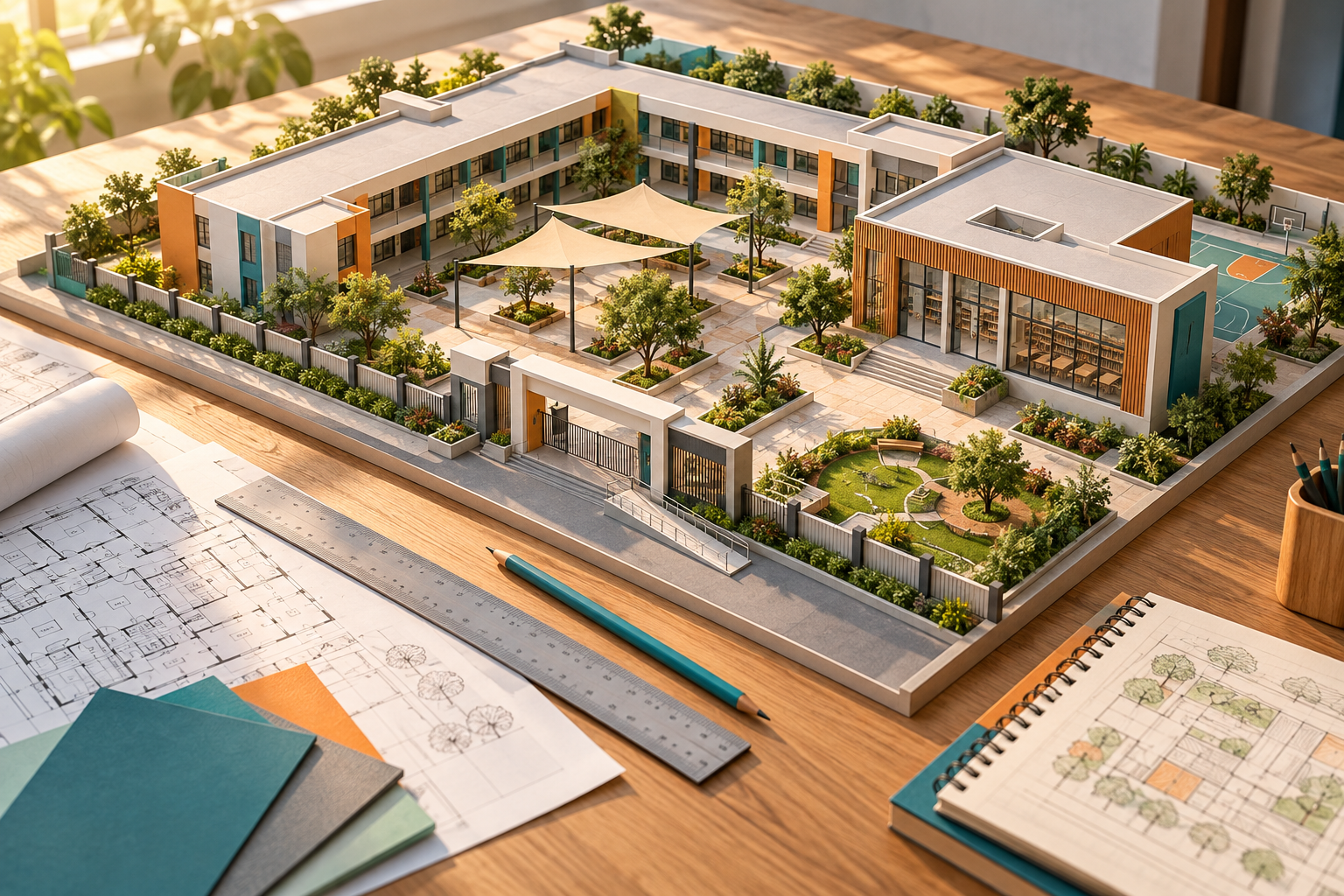
Conceptual school campus model and planning materials
Conceptual illustration · not a completed school project.
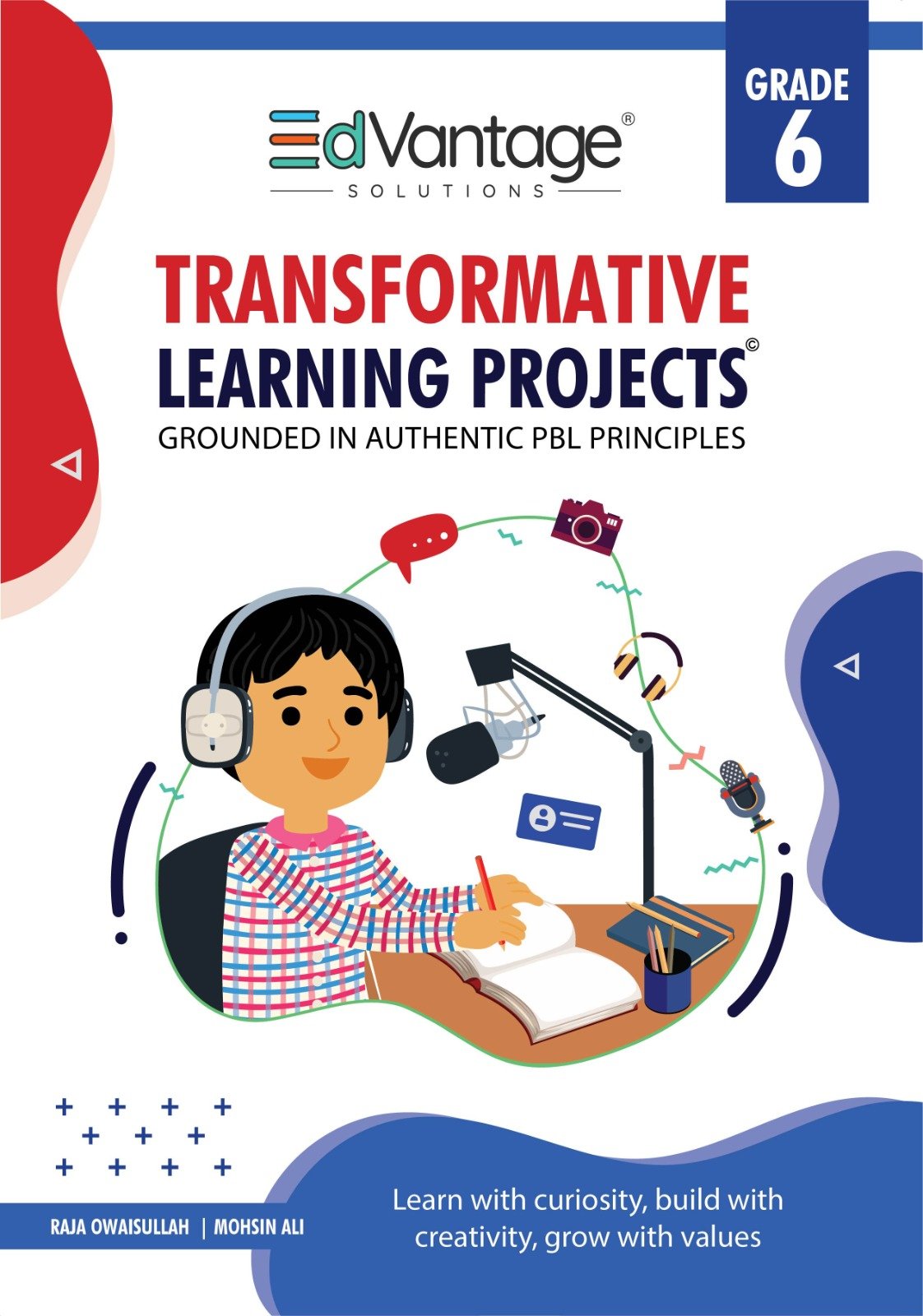
Grade 6 student book
Published learning resource

01 / LEARNING RESOURCES

Projects, books & learning resources

We develop Transformative Learning Projects©, student books and supporting inquiry resources. Guided activities, curriculum connections and assessment tools support project-based learning (PBL) alongside subject teaching.

Explore learning resources ↗
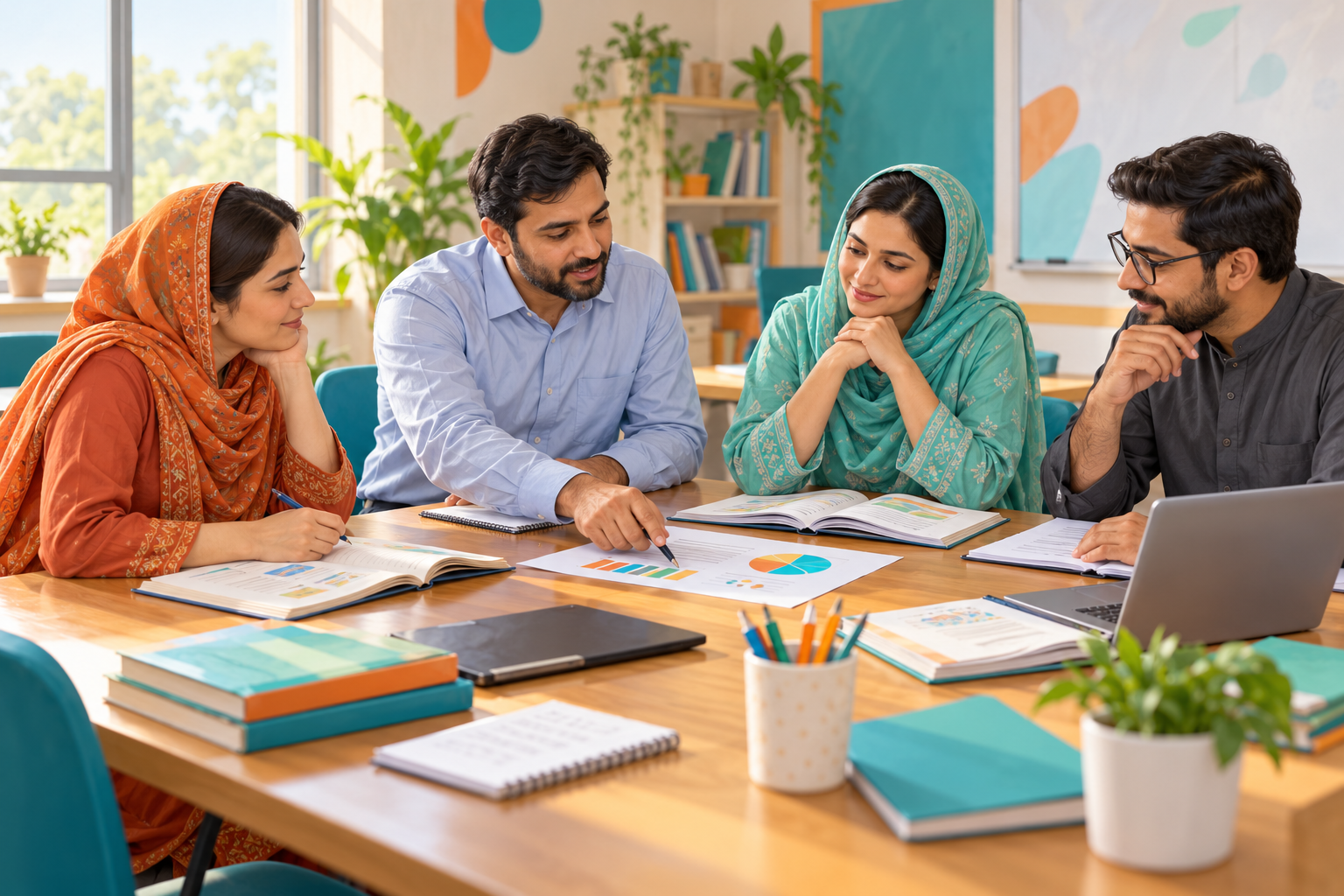
Pakistani teachers discussing classroom practice
Illustrative teacher development scene

02 / TEACHER DEVELOPMENT

Teacher education, training & courses

Professional learning in project-based learning, facilitation, assessment and other topics identified with schools. Workshops and courses connect teacher development with classroom needs.

Explore teacher development ↗
Conceptual school campus model
Conceptual school planning illustration

03 / INSTITUTIONAL DEVELOPMENT

School vision, design & development

School visioning, school architecture, learning architecture and school development planning connect a school’s educational purpose with its spaces, teaching systems and priorities.

Explore institutional development ↗

ACADEMIC SUPPORT

Start with your
school’s priorities.

CURRICULUM

Curriculum mapping

Map project tasks to relevant subject domains and learning outcomes. The books provide connections to Pakistan National Curriculum and Cambridge frameworks; schools select the applicable curriculum and grade expectations.

ASSESSMENT

Evaluation systems

Connect outcomes to investigation records, decision justifications, drafts, presentations and reflection. Use rubrics and performance bands to make quality expectations clear.

LEARNING ARCHITECTURE

How learning is organized

Connect curriculum, timetables, teaching approaches, assessment and professional learning to the school’s vision. School architecture considers how physical spaces serve these learning needs; technical scope is agreed for each engagement.

INSTITUTIONS

School visioning & development planning

Clarify a school’s educational purpose, review current needs, and organize priorities, responsibilities and review milestones in a school development plan.

STUDENT DEVELOPMENT

Skills & character

Build communication and collaboration through actual project responsibilities: honest reporting, respectful inquiry, consultation, careful use of resources and service to an audience.

PARTNERSHIPS

Sustained support

Discuss a programme of training, review, and refinement suited to your context.

What does your school need next?

Share your priority, learner age groups, and the kind of support you are looking for.

Start a conversation ↗

EDUCATION FOR SUSTAINABLE DEVELOPMENT

Real questions.
Responsible decisions.

Project-based learning connects student education with school and community questions. TLP© projects use inquiry, collaboration, reflection and ethical responsibility to bring subject knowledge into real-life decisions.

Education for Sustainable Development (ESD), green skills and selected Sustainable Development Goals (SDGs) are explored through specific projects, including water safety, food choices and sustainable homes. These provide learning opportunities for schools exploring a green school approach; they do not establish certification or measured environmental improvement.

Explore project connections and their limits ↗

FOR OUR SCHOOL COMMUNITY

School Portal

School Portal ↗